
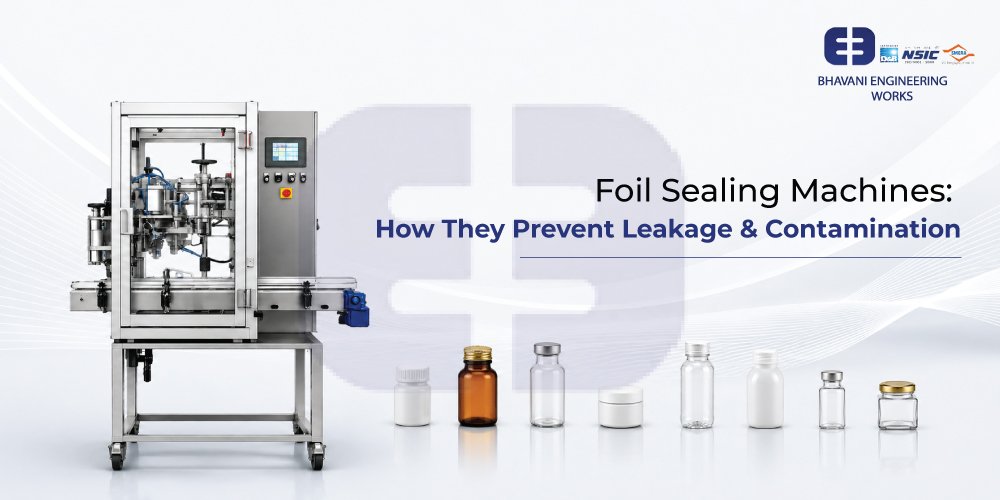
Foil sealing machines are pretty essential if you’re dealing with packaging that needs to stay sealed right. They’re the workhorses that create those tight, reliable seals on foil lids or packaging, and their primary job is to stop anything from getting in or out that shouldn’t. This means keeping your products fresh, preventing leaks, and stopping unwanted contamination. Honestly, if you’re using foil for anything from food to pharmaceuticals, a good sealing machine is usually a non-negotiable part of the process.
Keeping Your Products Safe: Preventing Leaks and Contamination
The main reason foil sealing machines are so important boils down to protection. Think about it: a leaky package is a messy package, and often, a spoiled one. Foil itself is a fantastic barrier against light, oxygen, and moisture, but that barrier is only effective if it’s completely intact. That’s where the sealing machine comes in.
The Seal is the Security
What Makes a Foil Seal Secure?
A secure foil seal isn’t just about pressing the foil down. These machines use a combination of heat, pressure, and sometimes specific sealing materials to create a molecular bond between the foil and the container. This bond is what ensures that no air, moisture, or tiny particles can sneak past. Without this reliable seal, all the protective benefits of the foil go out the window.
Preventing Leaks: More Than Just Tidiness
Leakage isn’t just an aesthetic issue. For food products, a leak means potential spoilage and a health hazard. For liquids, it’s obvious. But even for dry goods, moisture ingress can lead to clumping, degradation, or a shorter shelf life. Foil sealing machines are the frontline defense against these problems, ensuring your product reaches the customer in the same pristine condition it left your facility.
The Contamination Curtain
Contamination can come from a lot of places. Microbes, dust, chemicals – the list is long. A properly sealed foil package acts as a barrier, preventing these unwanted guests from compromising your product’s integrity. This is especially critical in industries like food and pharmaceuticals where safety is paramount. The tight seal created by a machine is a crucial step in maintaining that sterile or hygienic environment.
The Backbone of Freshness: Maintaining Product Integrity
Beyond just preventing leaks and contamination, foil sealing machines play a direct role in keeping products fresh for longer. This is a big deal for manufacturers, retailers, and ultimately, the end consumer.
The Lingering Power of Foil
Freshness Through Oxygen Barrier
Foil is a superior oxygen barrier compared to many other packaging materials. By creating a hermetic seal, the machine effectively locks out oxygen. Oxygen is a primary driver of spoilage, causing oxidation that degrades flavor, aroma, and nutritional value. By minimizing oxygen exposure, foil sealing machines help extend the shelf life of your products significantly.
Moisture Management: Keeping it Just Right
Similarly, foil is excellent at preventing moisture transfer. Whether you want to keep moisture in (for items that can dry out) or keep moisture out (for items that can be damaged by humidity), a tight foil seal is key. This moisture control is another critical factor in maintaining product freshness and preventing the texture or consistency changes that can make a product unappealing.
Light Protection for Sensitive Goods
Many products are sensitive to light, which can cause degradation, discoloration, and loss of potency. Foil naturally blocks most light. When sealed effectively by a machine, this light-blocking property is fully utilized, protecting delicate ingredients and ensuring products maintain their intended appearance and efficacy over time.
Understanding the Machinery: How It All Works
Foil sealing machines might seem straightforward, but there’s some clever engineering involved in creating that perfect seal. The technology aims for consistency and reliability.
Heat, Pressure, and Time: The Sealing Triad
The Role of Heat
Most foil sealing machines utilize heat to melt or activate a sealing layer. This layer is often a polymer coating on the foil that softens when heated. The controlled application of heat ensures that the polymer melts sufficiently to bond with the container, but not so much that it degrades the foil or the product.
Applying the Pressure
Pressure is just as important as heat. It ensures that the molten sealing layer makes full contact with the container’s rim or sealing surface. This even distribution of pressure is what creates a uniform, leak-proof bond across the entire sealing area. Different machines will apply pressure in various ways, from mechanical jaws to pneumatic systems.
The Crucial Timing
The duration the heat and pressure are applied is also meticulously controlled. Too little time, and the seal won’t form properly. Too much time, and you risk damaging the packaging or product. This precise timing, often measured in fractions of a second for high-speed machines, is critical for consistent sealing performance.
Induction Sealing: A High-Tech Approach
A common and highly effective method is induction sealing. In this process, an aluminum foil liner with a heat-seal coating is placed inside the cap. When the cap is screwed onto the container, the foil liner sits on the container’s rim. The filled container then passes under an induction coil. The coil generates an electromagnetic field that heats the aluminum foil and its coating. This melts the coating, which then bonds to the container’s rim, creating a hermetic seal. This method is especially popular for its speed, reliability, and ability to create tamper-evident seals.
Where You’ll Find Them: Industries Relying on Foil Seals
Industry | Percentage of Usage |
Pharmaceutical | 40% |
Food and Beverage | 25% |
Cosmetics | 15% |
Chemical | 10% |
Others | 10% |
Foil sealing isn’t just for fancy snacks. These machines are all over the place because so many products benefit from that extra layer of protection.
Food and Beverage: Preserving Taste and Safety
From Yogurt to Sauces
In the food industry, foil seals are everywhere. Think about individual yogurt cups, condiment squeeze bottles, ready-meal trays, and even some beverage containers. These seals prevent leakage during transport and display, maintain the freshness and flavor of the product, and provide a barrier against spoilage. For many sauces and dressings, the seal prevents oxidation, which can alter taste.
The Dairy Difference
Dairy products, in particular, rely heavily on effective sealing. Milk cartons, cheese packaging, and yogurt cups all use foil or foil-laminated materials to extend shelf life and ensure product integrity. The barrier properties are essential for preventing bacterial growth and maintaining the desired texture and taste.
Pharmaceutical and Healthcare: Purity is Paramount
A Matter of Life and Health
In the pharmaceutical and healthcare sectors, the stakes are incredibly high. Contamination can have serious consequences. Foil seals on prescription bottles, vials, and blister packs are critical for ensuring the sterility and efficacy of medications. Tamper-evident seals are also crucial for consumer safety and confidence.
Maintaining Sterility in Medical Devices
Beyond medications, foil is also used to package sterile medical devices. The seal ensures that the device remains sterile until it’s opened by a healthcare professional, preventing infection and ensuring proper patient outcomes.
Cosmetics and Personal Care: Keeping it Fresh and Safe
Protecting Your Preferences
The cosmetics industry also benefits greatly from foil sealing. Many creams, lotions, and serums come in jars or tubes with foil seals. This prevents the product from drying out, prevents contamination from fingers or air, and ensures the product’s quality is maintained from manufacturing to final use.
The Scent and Substance of Cosmetics
Foil seals help preserve the delicate fragrances and active ingredients found in many cosmetic products. Without them, the product could lose its scent, change texture, or become less effective.
The Upside: Why Choose a Foil Sealing Machine
If you’re packaging anything that needs robust protection, the advantages of using a foil sealing machine start to become pretty clear. It’s about efficiency and, more importantly, quality.
The Benefits of a Good Seal
Extended Shelf Life for More Sales
The most significant advantage is extending the shelf life of your products. This means less waste due to spoilage, more flexibility in your distribution chains, and ultimately, the potential for greater sales as your products remain desirable for longer periods.
Enhanced Product Integrity and Quality
A secure foil seal directly translates to better product integrity and perceived quality. Customers trust products that are well-packaged and appear untouched. This can lead to repeat business and a stronger brand reputation.
Cost-Effectiveness in the Long Run
While there’s an upfront investment in a sealing machine, the long-term cost savings are substantial. Reduced product spoilage, fewer customer returns due to damaged or contaminated goods, and increased sales all contribute to a positive return on investment.
Tamper Evidence for Trust and Safety
Many foil sealing machines, especially induction sealers, create tamper-evident seals. This provides an extra layer of security, letting consumers know that the product hasn’t been opened or interfered with since it left the factory. This builds trust and is particularly important for food and pharmaceutical products.
Finding Your Fit: Choosing the Right Sealing Machine
With so many options out there, picking the right foil sealing machine can feel a bit overwhelming. It really comes down to understanding what you need your machine to do.
Matching the Machine to Your Needs
Production Volume: How Much Do You Make?
Your production volume is a major factor. Are you a small operation running a few hundred units a day, or a large-scale manufacturer processing thousands per hour? This will determine whether you need a simple benchtop sealer or a high-speed, automated inline system.
Product Type and Packaging Material
The type of container you’re sealing and the specific foil material you’re using will influence machine choice. Some machines are designed for specific container shapes (jars, trays, bottles) or are optimized for different foil thicknesses and coatings.
Automation Level: Hands-On or Full Auto?
Consider the level of automation you require. Do you need a manual machine where an operator places the foil and activates the seal, or a fully automated system that integrates seamlessly into your production line, handling sealing without human intervention?
Sealing Method: Heat vs. Induction
Decide on the sealing technology that best suits your needs. Heat sealers are generally simpler and more affordable for basic applications, while induction sealers offer faster speeds, more reliable seals, and often provide tamper evidence, making them a popular choice for many industries.
FAQs
What is the purpose of foil sealing machines?
Foil sealing machines are designed to prevent leakage and contamination in packaged products by creating a secure seal on containers using foil lids.
How do foil sealing machines ensure a secure foil seal?
Foil sealing machines use heat and pressure to bond the foil lid to the container, creating a hermetic seal that prevents leakage and contamination.
What role do foil sealing machines play in maintaining product freshness?
Foil sealing machines help to maintain product freshness by creating a barrier that protects the contents from external elements such as moisture, oxygen, and contaminants.
What are the common applications for foil sealing machines in various industries?
Foil sealing machines are commonly used in industries such as food and beverage, pharmaceuticals, cosmetics, and chemicals to seal containers of various shapes and sizes.
What are the advantages of using foil sealing machines for packaging?
The advantages of using foil sealing machines include preventing leakage and contamination, maintaining product freshness, extending shelf life, and providing tamper-evident packaging.
Category