
Energy Efficient Packaging Machines: Reduce Cost & Power Consumption
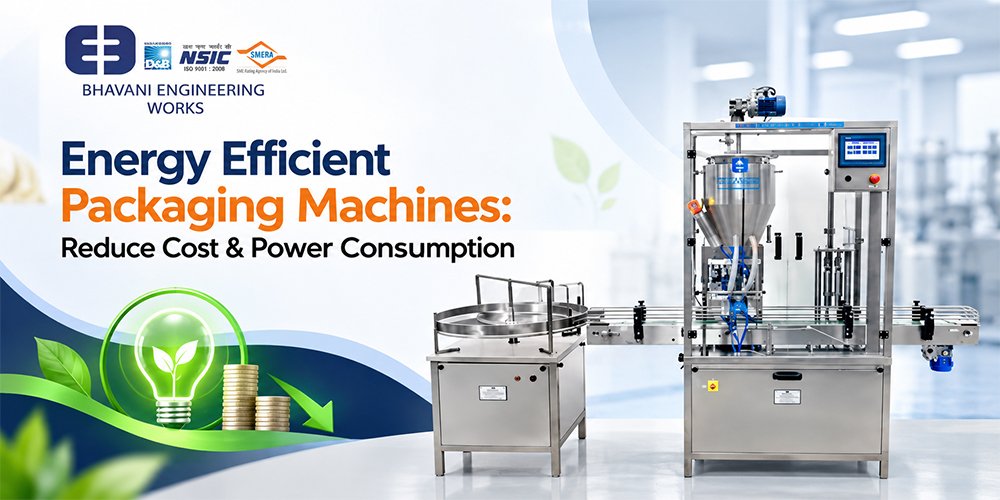
Explore how energy-efficient packaging machines help reduce power consumption and operating costs while maintaining productivity and packaging quality.
Introduction
Energy Efficient Packaging Machines
You aim to cut energy use without compromising packaging performance. Energy efficient packaging machines align heat, airflow, dwell time, and conveyor speed with your production needs.
Key concepts include how shrink tunnel operation, controlled heat around the wrapped product, and insulation and airflow design influence efficiency. The result is lower power draw per pack and steadier output.
You’ll gain practical guidance on selecting and tuning machines to reduce energy costs and waste, and you’ll learn to evaluate total packaging line energy and the implications of adopting energy efficient equipment.
Energy savings from alternatives
Energy-efficient options cut power draw by refining how heat is applied and how the package moves. They rely on smarter heat management, variable speed drives, and shorter thermal cycles.
- Eliminating or replacing the heat shrink tunnel with a cold packaging approach can reduce idle heat and streamline the line.
- Efficient airflow designs concentrate heat where needed, lowering overall energy use.
- Dwell time and conveyor speed can be tuned to production needs without compromising pack quality.
Aspect | Heat shrinks tunnel | Energy efficient alternative |
Primary energy driver | Continuous heat input | Targeted heat or no heat in some configurations |
Cycle consistency | Depends on stable heat and airflow | Depends on precise timing and film behavior |
Impact on line energy | Higher due to constant heat | Lower through optimized heat management |
Key Energy Saving Technologies in Packaging Machines
Servo-driven systems
Servo motors optimize motion to match real-time demand, cutting wasted movement and idle power while preserving throughput. This enables tighter control over start and stop transitions and improves synchronization with downstream steps.
- Improved dwell time accuracy through precise conveyor and winding control.
- Quicker ramping and deceleration reduce peak power at startup.
- Aligned motion with downstream processes lowers energy spikes across the line.
Low standby consumption
Idle power adds up across a production run. Modern machines minimize draw when idle, preserving readiness without continuous heating or running fans.
- Intelligent wake and sleep modes keep systems ready with minimal energy use.
- Power management algorithms tailor energy use to plan and cadence.
- Components selected for low quiescent current across controls and sensors.
Intelligent heat management
Smart heat strategies focus energy where it matters, matching delivery to film behavior and packaging needs.
- Adaptive heating elements stay within the film activation range for efficient use.
- Targeted airflow cools and prevents heat bleed into nonessential zones.
- Sensor feedback maintains shrink or wrap quality while minimizing energy use.
Real World Energy Savings by Model and Approach
Case study: vertical packaging machines
In facilities using vertical packaging lines, energy savings come from optimized drive profiles and lower idle heat. Operators report meaningful reductions in annual energy costs when adopting servo-driven, variable-speed configurations that match production demand.
- Lower peak power draw during cut and seal phases due to coordinated motion.
- Reduced motor wear, extending service intervals and stabilizing energy use over time.
- Smaller cooling load as heat generation concentrates in essential zones only.
Case study: wrap and seal efficiencies
Lines that integrate intelligent heat management and real-time feedback achieve tighter control over film activation and dwell time. This reduces wasted heat and speeds cycle turnover without compromising quality.
- Film activation aligns with production windows, cutting unnecessary reheating cycles.
- Conveyor speed adjustments support seal integrity checks, lowering rework energy.
- Standby modes cut idle energy without delaying readiness in off-peak periods.
Factory Impact: Reducing Total Packaging Line Energy
Annual cost reductions
Energy efficiency across the packaging line lowers total annual energy expenditure. Key gains come from reduced idle heat, smarter heat delivery, and optimized conveyor timing that preserve throughput.
- Smarter standby modes lower baseline energy use without sacrificing readiness.
- Targeted heat delivery reduces cooling and saves power in nonessential zones.
- Coordinated motion and faster ramping cut peak demand between stages.
Impact on maintenance and throughput
Efficient machine designs reduce thermal cycling, extend component life, and decrease unscheduled downtime. They also promote steadier, more predictable throughput.
- Servo-driven systems lessen wear from starts and stops, extending drive life.
- Lower thermal stress helps seals and motors last longer, reducing replacements.
- Stabler line conditions support reliable scheduling and output consistency.
Area of impact | Traditional vs energy efficient |
Annual energy spends | Higher idle heat and continuous operation increase draw |
Maintenance intensity | Less thermal cycling and smoother motion reduce wear |
Throughput stability | More consistent cycle times with optimized heat and drive profiles |
Operational Considerations When Switching to Energy Efficient Machinery
Production needs and machine compatibility
Assess your production profile before selecting equipment. Consider peak demand, product mix, and cycle variability to ensure the machine delivers the required throughput without overprovisioning power.
- Coordinate conveyor speed and dwell time with line timing to prevent bottlenecks.
- Test film behavior with the new process, focusing on activation range and sealing performance.
- Confirm the heating chamber fits current layouts and safety standards.
Return on investment and payback
ROI depends on longer-term factors beyond the upfront price. Factor in energy savings, maintenance shifts, and productivity gains from steadier cycle times.
- Assess how servo-driven motion affects energy use during peak packaging phases.
- Account for reductions in idle power through intelligent standby modes.
- Include anticipated maintenance changes from fewer thermal cycles in the payback calculation.
Consideration | Impact on decision |
Production needs | Align machine capabilities with required throughput and product variety |
Compatibility | Confirm film activation range, shrink or wrap behavior, and sealing requirements match current lines |
FAQ
You want quick, practical answers on energy efficient packaging machines. Below are concise responses based on industry practice and the materials at hand.
- How much power does a shrink-wrapping machine consume?
Power draw varies with film type, dwell time, and conveyor speed. Modern energy efficient models use servo-driven motion and intelligent heat management to match demand, reducing idle and peak usage.
- Can energy efficiency affect packaging quality?
Yes. Proper control of heat, airflow, and dwell time maintains film behavior such as activation range and shrink force, while preserving clarity and sealing integrity.
- What is the best way to measure energy savings?
Compare total line energy before and after adopting energy efficient machinery, focusing on idle consumption, heat distribution efficiency, and coordinated motion that lowers peak demand.
- Are standby modes worth it?
Standby modes cut idle power without delaying readiness. They are a common feature in energy efficient systems and contribute meaningful, recurring savings.
- How do I choose between shrink tunnel and alternative solutions?
Consider four variables of shrink quality, film, temperature, airflow, and dwell time, and select options that optimize these without excessive heat exposure to the product.
Question | Key takeaway |
Power consumption | Driven by film activation range and process timing; efficiency depends on heat management and motion control |
Quality impact | Controlled heat and airflow preserve film behavior and sealing while reducing waste |
Category