
Best Packaging Solutions for Cosmetic & Personal Care Products
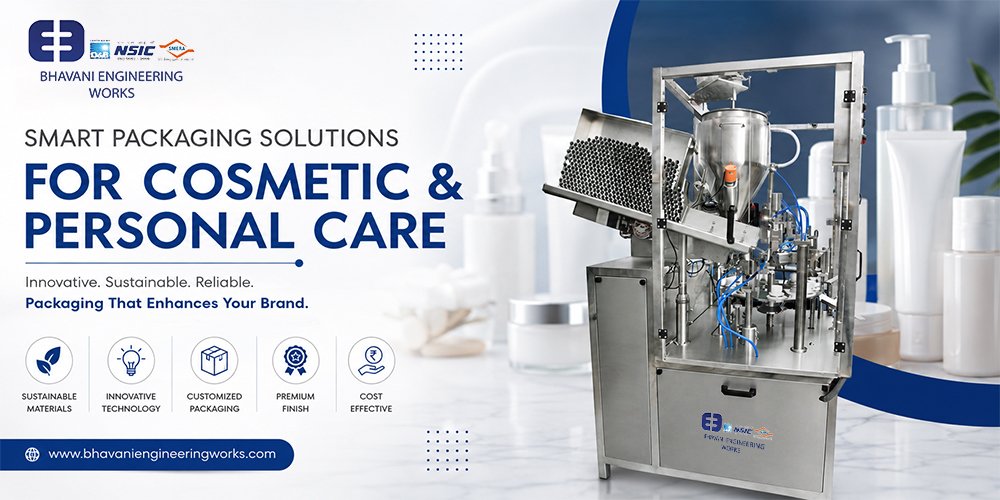
Finding the right packaging for your cosmetic and personal care products can feel like a labyrinth, but it boils down to balancing sustainability, innovation, and your budget without sacrificing brand appeal. The “best” solution isn’t a one-size-fits-all answer; it’s a careful blend tailored to your product, audience, and values.
Navigating the Sustainable Packaging Landscape
Sustainability isn’t just a trend; it’s a fundamental shift in how we approach product design. Consumers are increasingly scrutinizing brands’ environmental footprints, making eco-conscious packaging a non-negotiable for many.
Embracing Recycled and Recyclable Materials
One of the most straightforward paths to sustainable packaging is opting for materials that have a second life. Post-consumer recycled (PCR) plastics, often PET, HDPE, or PP, significantly reduce the demand for virgin plastic. This means fewer fossil fuels are used and less plastic potentially ends up in landfills or oceans. When considering PCR, it’s vital to ensure your components are still compatible with the chosen material and that the aesthetics meet your brand standards.
Beyond PCR, readily recyclable materials like glass and aluminum are timeless choices. Glass, while heavier and more fragile, offers a premium feel and is infinitely recyclable. Aluminum, lightweight and durable, also boasts high recyclability rates and is excellent for products requiring barrier protection from light or air.
Biodegradable and Compostable Alternatives
For brands looking beyond recycling, biodegradable and compostable materials present an exciting frontier. These materials are designed to break down naturally, either in industrial composting facilities or, in some cases, in home composts. Plant-based plastics like PLA (polylactic acid) derived from corn starch or sugarcane are becoming more common. However, it’s crucial to understand the disposal infrastructure in different regions. If the material isn’t properly composted, it might end up in a landfill where it won’t break down as intended. Clear communication with your customers about disposal is key here.
Refill Systems and Reusable Packaging
Perhaps the most impactful sustainable solution is embracing refillable and reusable packaging. This concept shifts from a single-use model to a circular one, dramatically reducing waste. Brands can offer products in durable, aesthetically pleasing containers that customers can bring back to a store for refilling, or they can purchase refill pouches or pods. This not only cuts down on packaging waste but also fosters a deeper connection with your customer base. Designing for refillability requires careful consideration of the container’s durability, ease of cleaning, and the convenience of the refill process for the consumer.
The Power of Innovation in Packaging
Innovation isn’t just about new materials; it’s about reimagining the entire packaging experience. It can solve practical problems, enhance user interaction, and differentiate your brand in a crowded market.
Smart Packaging for Enhanced Experience
Smart packaging integrates technology to provide added functionalities. This could range from QR codes linking to product information, ingredient lists, or application tutorials, to more advanced features like temperature indicators for sensitive formulations or NFC tags for authenticity verification. While still emerging in personal care, envision a future where packaging communicates with smart devices to reorder products or track usage. This layer of digital interaction can significantly elevate the customer experience and provide valuable data for brands.
Airless Pump Technology for Product Preservation
For sensitive formulations, especially those with natural or active ingredients, airless pump technology is a game-changer. These systems prevent air from entering the container, protecting the product from oxidation and contamination. This extends shelf life, reduces the need for harsh preservatives, and ensures the product maintains its efficacy from the first pump to the last. While often a slightly higher initial cost, the benefits in product integrity and user satisfaction can outweigh this.
Novel Dispensing Mechanisms
Beyond airless pumps, innovative dispensing mechanisms are continuously evolving. Think about rollerball applicators for serums, precise droppers for oils, or hygienic spatulas integrated into lids. These aren’t just about aesthetics; they improve product hygiene, control dosage, and enhance the overall user experience. A well-designed dispenser can make an application feel more luxurious, precise, or simply more convenient.
Tailoring Solutions with Customization
In a market saturated with choices, customized packaging is your brand’s voice. It’s how you stand out on the shelf and communicate your unique identity.
Reflecting Brand Identity Through Design
Customization goes beyond just slapping your logo on a generic container. It involves choosing specific shapes, textures, colors, and finishes that resonate with your brand’s aesthetic and values. A luxury brand might opt for heavy, frosted glass and a minimalist label, while a playful, natural brand might choose vibrant colors and illustrations on a recycled paperboard. Every design element should tell a story and create a cohesive brand experience.
Unique Structural Shapes and Forms
Breaking away from standard cylindrical or rectangular containers can make a huge impact. Custom molds allow for unique structural shapes that become instantly recognizable. Imagine a facial cleanser bottle shaped like a water droplet or a lip balm container designed like a smooth pebble. These unconventional forms might come with a higher tooling cost initially, but they create a memorable tactile and visual experience for the consumer.
Embellishments and Finishing Touches
The devil is in the details, and for packaging, this means embellishments and finishing touches. Hot stamping, embossing, debossing, spot UV, and specialty coatings can transform a simple package into a work of art. Metallic foils add a touch of luxury, soft-touch coatings evoke a sense of premium quality, and intricate embossing can provide a unique tactile experience. These elements can convey sophistication, playfulness, or anything in between, depending on your brand’s message.
The Allure of Luxury Packaging
Aspect | Metric |
Consumer Perception | Positive impact on brand image |
Market Growth | Increasing demand for luxury packaging |
Environmental Impact | Focus on sustainable materials and practices |
Cost | Higher production and packaging costs |
Luxury packaging is about creating an experience, an anticipation, and a sense of indulgence even before the product is used. It’s an investment that speaks volumes about the product within.
High-End Materials and Craftsmanship
Luxury often translates into the use of premium materials. Think heavy-gauge glass, polished metals, sustainably sourced wood, or even ceramic for prestige items. These materials not only feel substantial and opulent but also convey durability and quality. The craftsmanship involved in luxury packaging is also paramount – flawless finishes, precise detailing, and impeccable closures.
Aesthetic Sophistication and Muted Palettes
Luxury packaging often favors a sophisticated aesthetic, frequently employing muted color palettes, monochromatic schemes, or classic combinations. Instead of bold, bright colors, you might see deep jewel tones, rich neutrals, or delicate pastels. The emphasis is on elegance, restraint, and timelessness rather than fleeting trends. Typography also plays a crucial role, often featuring classic or custom fonts that exude refinement.
Unboxing Experience as a Ritual
For luxury brands, the unboxing isn’t just opening a box; it’s a ritual. This involves multiple layers of packaging, tissue paper, custom inserts, ribbons, and even scented elements that extend the luxurious experience. Every step of the unboxing should build anticipation and create a memorable moment for the customer, reinforcing the premium nature of the product.
Balancing Cost and Quality (Cost-Effective Solutions)
While sustainability, innovation, and customization are vital, the reality is that cost is always a significant factor. Finding cost-effective solutions doesn’t mean compromising on quality or brand image; it means being strategic and smart.
Standardized Components and Bulk Purchasing
One of the simplest ways to manage costs is to utilize standardized packaging components where possible. While customization is great, opting for common bottle shapes, jar sizes, or cap types that are readily available from suppliers can significantly reduce tooling costs and lead times. Furthermore, purchasing materials in larger volumes almost always results in lower unit costs. This requires careful forecasting but can lead to substantial savings.
Streamlined Design for Efficient Production
Complex packaging designs with intricate shapes or multiple components often lead to higher production costs. By streamlining your design, focusing on fewer materials, and simplifying the assembly process, you can reduce manufacturing expenses. A minimalist design can be both aesthetically pleasing and cost-efficient. Think about designs that use a single material or designs that are easy to fill and seal on production lines.
Material Selection with Economic Considerations
While premium materials offer a distinct feel, there are often more economical alternatives that still perform well and look good. For example, moving from glass to high-quality PET plastic can significantly reduce material and shipping costs, especially for larger products. Similarly, selecting a slightly lighter gauge of paperboard for outer cartons, without compromising structural integrity, can also lead to savings. The key is to find the sweet spot where cost savings don’t detract from product integrity or brand perception.
Local Sourcing and Reduced Transportation Costs
Sourcing your packaging components from local or regional suppliers can cut down on transportation costs and lead times. This not only has an economic benefit but also contributes to a lower carbon footprint. Building relationships with local suppliers can also offer greater flexibility and responsiveness, which can be invaluable for smaller brands or during production fluctuations.
Ultimately, the best packaging solution for your cosmetic and personal care products is a dynamic blend. It’s about staying informed on new materials and technologies, listening to your customers, aligning with your brand’s core values, and always keeping an eye on the bottom line. It’s an ongoing process of refinement and adaptation in a constantly evolving market.
FAQs
- What are sustainable packaging solutions for cosmetic and personal care products?
Sustainable packaging solutions for cosmetic and personal care products are environmentally friendly options that minimize the use of plastic, utilize recyclable materials, and reduce overall carbon footprint. These solutions may include biodegradable packaging, compostable materials, and packaging made from recycled materials.
- What are innovative packaging solutions for personal care products?
Innovative packaging solutions for personal care products include advanced designs, unique shapes, and functional features that enhance the user experience. Examples of innovative packaging solutions may include airless pumps, dropper bottles, dual-chamber containers, and customizable packaging options.
- How can customized packaging solutions benefit cosmetic products?
Customized packaging solutions for cosmetic products offer brands the opportunity to create unique and distinctive packaging that reflects their brand identity. Customized packaging can help products stand out on the shelf, create a memorable unboxing experience for consumers, and reinforce brand loyalty.
- What are eco-friendly packaging solutions for personal care products?
Eco-friendly packaging solutions for personal care products are designed to minimize environmental impact and promote sustainability. These solutions may include packaging made from renewable materials, bioplastics, and packaging that is easily recyclable or compostable.
- How can luxury packaging solutions benefit cosmetic products?
Luxury packaging solutions for cosmetic products are designed to convey a sense of elegance, sophistication, and exclusivity. These solutions often feature high-quality materials, intricate designs, and attention to detail, enhancing the overall perceived value of the product.
Category