
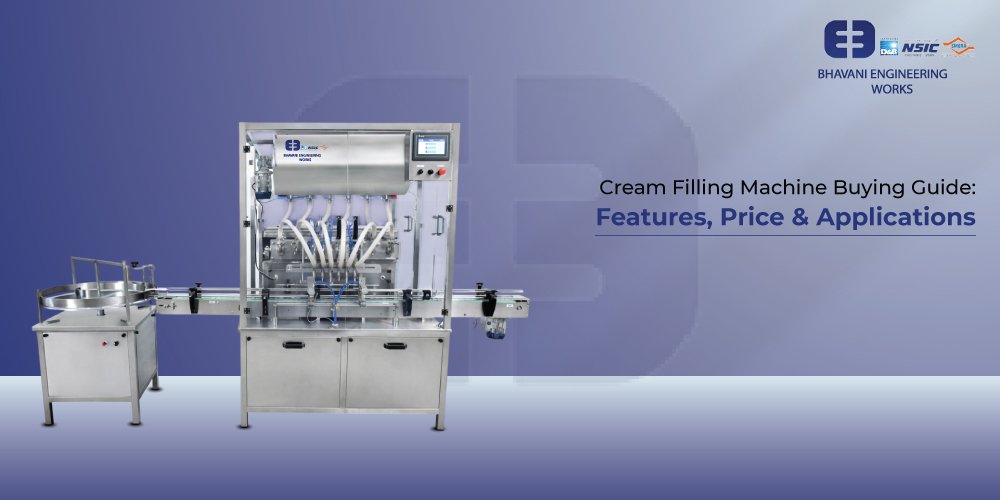
So, you’re looking to buy a cream filling machine. The short answer is that the right machine depends on your production capacity, cream consistency, packaging style, budget, and the features that improve filling accuracy and hygiene. Whether you run a bakery, dairy business, sauce plant, or food factory, selecting the right cream filling machine can improve efficiency, reduce product wastage, and maintain consistent quality. This guide explains everything you need to know before investing in a machine.
What Features Should You Look for When Buying a Cream Filling Machine?
When comparing different cream filling machines, some features directly affect performance, output quality, and long-term return on investment. Understanding these factors helps you choose a machine that suits your production needs.
Accuracy and Repeatability
Accuracy is one of the most important factors in any cream filling machine. If the machine does not dispense the same quantity every time, it can lead to underfilling, overfilling, wasted product, and inconsistent packaging. Machines with servo-controlled systems, piston fillers, or advanced volumetric technology generally provide better repeatability. Consistent filling also helps improve brand trust and customer satisfaction.
Product Compatibility
Cream products vary widely in texture and thickness. Some are light and smooth, while others are dense, sticky, or contain particles such as fruit pieces or chocolate chips. Your filling machine should be compatible with the viscosity and nature of the product. Machines designed for thin liquids may not perform well with thick cream products, while heavy-duty fillers can easily handle dense materials.
Speed and Production Volume
Your daily output requirement determines whether you need a semi-automatic cream filling machine or a fully automatic cream filling machine. Small businesses may prefer compact machines for limited production, while larger factories need multi-head systems for faster output. Choosing a machine with room for future expansion is always a smart decision.
Cleaning and Sanitation
Hygiene is critical in food manufacturing. A cream filling machine should be easy to clean and maintain. Stainless steel body construction, smooth surfaces, food-grade contact parts, and CIP (Clean in Place) systems make sanitation easier and reduce downtime. Proper cleaning features also help meet food safety standards.
User Friendliness and Automation Level
An easy-to-use machine reduces operator errors and improves productivity. Machines with digital controls, touchscreens, automatic settings, and recipe memory make daily operation simpler. The right automation level depends on your staff size, budget, and production goals.
How Much Does a Cream Filling Machine Cost?
The cream filling machine price depends on machine type, automation level, speed, capacity, and customization requirements. Prices can vary from entry-level models to complete industrial filling systems.
Entry-Level and Semi-Automatic Machines
Small or semi-automatic machines generally range from $3,000 to $15,000. These are ideal for startups, bakeries, homegrown food brands, and businesses with lower production volume. They offer affordable investment with simple operation.
Mid-Range Automatic Machines
Machines in the mid-range category usually cost between $20,000 and $70,000. These systems offer better speed, higher accuracy, and more automation. They are ideal for growing businesses looking to scale production.
High-End Industrial Systems
Large industrial systems can cost $80,000 to $250,000+ depending on filling heads, conveyors, capping systems, PLC controls, and integrated packaging lines. These are designed for continuous heavy-duty production.
Factors Influencing the Price
The final cost depends on output capacity, filling accuracy, number of nozzles, stainless steel grade, imported components, automation features, cleaning systems, and supplier support. Installation, spare parts, and maintenance costs should also be considered.
Where Are Cream Filling Machines Used in the Food Industry?
Cream filling machines are used in many industries because they can handle a wide range of thick, semi-liquid, and viscous products.
Dairy Products
The dairy industry commonly uses these machines for yogurt, cream cheese, sour cream, fresh cream, dessert mousse, and ice cream base filling. These products require hygienic handling and precise filling.
Bakery and Confectionery
Bakery businesses use filling machines for pastries, donuts, éclairs, cupcakes, layer cakes, and dessert cups. Consistent cream filling improves product appearance and production speed.
Sauces and Dressings
Many sauces and dressings have similar flow properties to cream. Products like mayonnaise, cheese sauce, dips, and salad dressings can be efficiently filled using the same equipment.
Spreads and Butters
Peanut butter, almond butter, hummus, and other thick spreads require strong piston or positive displacement filling systems. These machines are ideal for handling dense products smoothly.
Other Niche Applications
Cream filling machines are also used for baby food puree, savory fillings, fruit preparations, herbal paste, and cosmetic cream products depending on machine specifications.
What Factors Should You Keep in Mind When Choosing a Filling Machine for Cream Products?
Choosing the right filling machine requires more than checking price and speed. Several practical factors can affect daily production and long-term success.
Factors to Consider | Description |
Viscosity of the Cream | Machine should handle product thickness properly |
Container Size and Shape | Must suit jars, tubs, bottles, cups, or pouches |
Production Capacity | Should match required daily output |
Cleaning and Maintenance | Easy cleaning reduces downtime |
Accuracy and Precision | Prevents wastage and improves consistency |
Integration with Production Line | Must fit existing system smoothly |
Material of Construction
Food-grade stainless steel is the preferred material for cream filling machines. SS 304 is commonly used, while SS 316L is ideal for corrosive or sensitive products. Good materials increase hygiene and machine life.
Power Requirements and Utilities
Before purchase, check voltage requirements, air compressor needs, water connection, and available factory space. Proper planning avoids installation issues later.
Changeover Time and Flexibility
If you use multiple products or different packaging sizes, quick changeover systems help reduce downtime. Flexible machines improve productivity in multi-product operations.
After-Sales Support and Spare Parts
Reliable service support is essential. Always check warranty terms, technician availability, spare part supply, and operator training before finalizing any supplier.
Regulatory Compliance
Machines used in food production should meet standards such as GMP, HACCP, FDA, or local hygiene regulations. Compliance ensures safe production practices.
Which Types of Cream Filling Machines Are Best for Your Business?
Different machine technologies are suitable for different cream products.
Piston Fillers
Piston fillers are widely used for thick cream products, yogurt, sauces, spreads, and products with particles. They offer high filling accuracy and strong performance.
Gear Pump Fillers
Gear pump fillers are suitable for smooth and medium-thickness cream products. They provide reliable and consistent filling performance.
Peristaltic Pump Fillers
These machines are ideal for hygienic filling because the product passes only through tubing. They are commonly used for sensitive food or cosmetic creams.
Overflow Fillers
Overflow filling machines are used when all containers need the same visible fill level. They are often chosen for attractive retail packaging.
Gravity Fillers
Gravity fillers are suitable only for thin liquid products and are generally not recommended for thick cream materials.
How Can You Select the Right Cream Filling Machine for Your Production Needs?
Start by identifying your product characteristics such as viscosity, temperature, and ingredient particles. Then estimate your hourly or daily production requirement. Set a practical budget that includes purchase cost, maintenance, labour, and utilities. Consider your packaging type, including jars, cups, bottles, tubs, or pouches. Compare multiple suppliers, ask for product trials, and review service support before making a final decision.
How Do You Maintain and Clean a Cream Filling Machine?
Regular maintenance improves machine life, hygiene, and production efficiency.
Follow Manufacturer’s Guidelines
Every machine has a recommended maintenance schedule. Following it helps prevent unexpected breakdowns.
Implement Regular Cleaning Schedules
Daily or batch-wise cleaning is important in food production. Proper sanitation prevents contamination and keeps the machine efficient.
Check for Wear and Tear
Seals, hoses, O-rings, valves, and nozzles should be inspected regularly. Replacing worn parts on time avoids production loss.
Lubricate Moving Parts
Food-grade lubrication protects moving components and ensures smooth operation.
Calibrate Regularly
Regular calibration helps maintain accurate filling volume and prevents inconsistency.
Keep a Supply of Essential Spare Parts
Having common spare parts in stock reduces downtime during emergency repairs.
Train Your Operators Well
Well-trained operators run the machine better, identify issues faster, and maintain production quality.
Conclusion
Investing in the right cream filling machine can transform your production process. A suitable machine improves speed, hygiene, filling accuracy, and overall profitability. Whether you need a small semi-automatic machine or a high-speed industrial system, choosing the right equipment based on your product and production goals will support long-term business growth.
FAQs
- What are the key features to consider when buying a cream filling machine?
Accuracy, product compatibility, speed, hygiene, and automation level are the most important features.
- How can I understand the price range of cream filling machines?
Prices depend on machine size, speed, automation, and customization. Small machines cost less, while industrial systems are higher priced.
- What are the applications of cream filling machines in the food industry?
They are used in dairy products, bakery items, sauces, spreads, desserts, and many other viscous food products.
- What factors should I keep in mind when choosing a filling machine for cream products?
Check viscosity, output capacity, container type, cleaning ease, service support, and budget.
- How can I select the right cream filling machine for my production needs?
Choose a machine based on product type, packaging style, production target, and future expansion needs.
Category