
Packaging Solutions for Viscous Products (Cream, Gel, Paste, Adhesives)
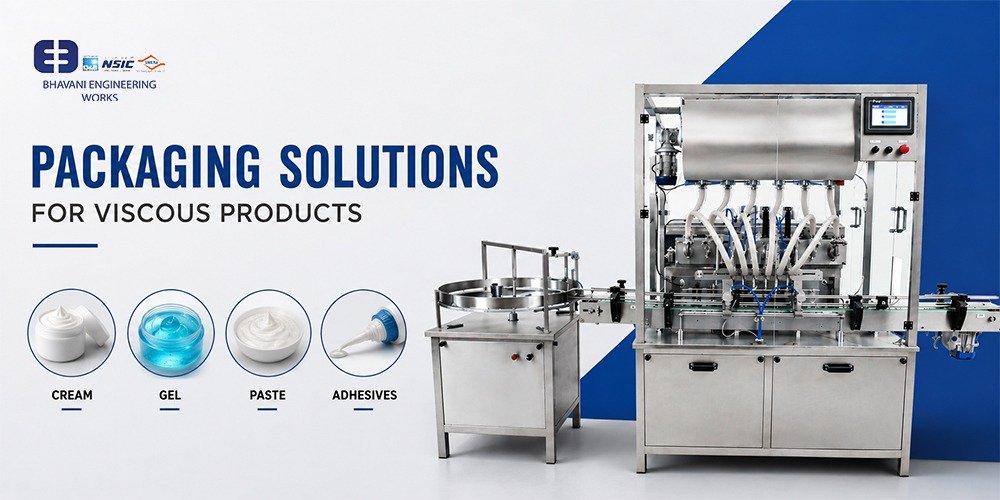
Dealing with thick, gloopy, or sticky products like creams, gels, pastes, and adhesives can present some unique hurdles when it comes to getting them into packaging and then out to your customers effectively. The main question you’re probably asking is: “How do I package these tricky viscous products without a mess or losing quality?” The good news is, there are plenty of smart ways to tackle this, and understanding the specific challenges your product faces is the first step to finding the perfect solution.
Understanding the Peculiarities of Viscous Products
When we talk about “viscous products,” we’re essentially talking about substances that resist flowing easily. Think about honey, toothpaste, thick lotions, or even industrial glues. This resistance to flow is what makes them great for their intended purpose – they stay where you put them. However, this same property makes them a bit of a headache in the packaging and dispensing process.
The Flow Factor: Viscosity’s Impact
The primary characteristic is viscosity, and it’s not just a simple number. It can change with temperature, pressure, and even how quickly you try to move it. For packaging, this means that a product that pours easily at room temperature might become a solid block when cooled, or a product that feels smooth might become stringy and difficult to control when agitated or dispensed quickly.
- Shear-Thinning vs. Shear-Thickening: Some products, like many gels and creams, are “shear-thinning” – they become less viscous (easier to flow) when you apply force, like squeezing a tube or pumping. Others, though rarer in consumer goods, are “shear-thickening” and become more viscous under stress. Knowing which applies to your product is crucial for designing how it will be handled.
- Temperature Sensitivity: Many viscous products have a sweet spot for their viscosity. If they get too cold, they can become too stiff to dispense. If they get too hot, they might become runny, leading to leaks or a loss of their desired texture. Packaging needs to protect against these temperature fluctuations.
Air and Product Interaction
Viscous products often have a greater tendency to trap air. This can cause a few problems. Air pockets in the product might affect its consistency or shorten its shelf life due to oxidation. When packaging, you need to ensure that air is removed effectively during filling to maintain product quality and prevent issues like air bubbles appearing in the final product, which can look unprofessional.
Adhesion and Surface Tension
Because these products are sticky and often have high surface tension, they can cling stubbornly to packaging materials. This is especially problematic at the dispensing point. Imagine trying to get every last bit of a thick face mask out of a jar – it’s often frustrating. Packaging needs to facilitate easy release of the product, preventing waste and ensuring the customer gets the full value of what they purchased.
Innovative Packaging Concepts for Cream, Gel, and Paste
The way we package creams, gels, and pastes has evolved significantly as manufacturers understand the need for convenience, hygiene, and an appealing presentation that also works practically. Gone are the days of just simple tubs and jars for everything.
Tubes: The Timeless Favorite, Reimagined
Tubes remain a staple for good reason. They offer excellent protection, are portable, and generally allow for controlled dispensing. However, “tube” is a very broad category.
- Laminated Tubes: These are a popular choice for cosmetic creams and lotions. They offer a good barrier against moisture and air and can be printed with high-quality graphics. They are typically made of multiple layers, often including plastic and aluminum, which provides excellent protection for the product inside.
- Extrusion Tubes: Made entirely from plastic, these are also common, especially for dispensing precise amounts. They are often used for products like face serums, gels, and medical ointments. The material choice here can influence how easily the product dispenses and the overall feel of the tube.
- Dispensing Nozzles and Features: The real innovation often lies in the cap and nozzle. Think of flip-top caps that are easy to open with one hand, precision spouts for detailed application (like for serums or hair dyes), or airless pump tubes that prevent product contamination and ensure that nearly 100% of the product can be dispensed.
Jars and Pots with Enhanced Functionality
While traditional jars are still used, newer designs incorporate features to improve the user experience and product preservation.
- Airless Jars: These are a game-changer for sensitive formulations. They work by creating a vacuum as the product is dispensed, pushing the product out from the bottom. This significantly reduces air exposure, which is great for preserving ingredients and extending shelf life, especially for natural or antioxidant-rich products.
- Wide-Mouth Jars with Easy-Grip Features: For products where users might scoop out large amounts, wider mouths are common. Features like textured surfaces or ergonomic shapes on the lid can make opening easier, even with wet hands.
- Spatula-Integrated Lids: Some premium products come with a small spatula attached to the underside of the lid. This provides a hygienic way to scoop out product, eliminating the need for a separate tool.
Pump Dispensers: Precision and Hygiene
Pump dispensers are ideal for liquidy gels, lotions, and even thicker creams. They offer a controlled, measured dose with each press, which is great for consistency and reducing waste.
- Foam Pumps: These are fantastic for products where a foamy texture is desired, like facial cleansers or hand soaps. They introduce air into the product during dispensing, creating a light, airy foam.
- Airless Pumps: Similar to airless jars, these pumps use a vacuum system to dispense the product, minimizing air contact and ensuring a clean, consistent dispense until the very end. They are excellent for preserving efficacy and preventing contamination.
- Adjustable Dispensing Mechanisms: Some pumps offer adjustable settings, allowing users to control the amount of product dispensed per stroke, catering to different needs and product viscosities.
Selecting the Right Packaging for Viscous Adhesives
Adhesives, whether for DIY projects or industrial applications, present a unique set of challenges due to their strong binding properties and often very high viscosity. The packaging must not only contain the adhesive but also facilitate its controlled application.
Cartridge Systems: Controlled Precision
Adhesive cartridges, often used with caulk guns, are a familiar sight. They are designed for precision and controlled dispensing of thick pastes.
- Rigid Cartridges: These are typically made of plastic or cardboard, and the adhesive is extruded from the front via a nozzle. The key here is the compatibility of the cartridge material with the adhesive’s chemical properties to prevent degradation or reaction.
- Nozzle Design is Key: The shape and orifice size of the nozzle on an adhesive cartridge are critical. They are designed to control the flow rate and bead size of the adhesive, allowing for precise application along edges or in specific areas. Some nozzles are even designed to be cut at different angles to create wider or narrower beads.
- Plunger Mechanisms: The internal plunger within the cartridge, pushed by the caulk gun, must be strong enough to overcome the adhesive’s viscosity and ensure a consistent extrusion force.
Bottles with Applicator Tips
For less viscous adhesives or those requiring fine-point application, bottles with specialized applicator tips are employed.
- Squeeze Bottles with Precision Tips: These bottles allow the user to manually apply pressure, expelling the adhesive through a slender nozzle. This is common for craft glues, super glues, and some automotive adhesives.
- Needle-Nose Applicators: For extremely fine detail work, some adhesives come with very thin, pointed tips that resemble a needle, allowing for incredibly precise placement of the adhesive.
- Integrated Brushes or Rollers: Some adhesive packaging might include a small brush or roller integrated into the cap or nozzle assembly, which helps in spreading the adhesive evenly onto the surface.
Pouches and Bags: Flexibility and Airless Options
While less common for very high-viscosity adhesives, some flexible pouches are used, particularly for two-part adhesives that are mixed just before application.
- Dual-Chamber Pouches: These pouches contain two separate compartments for different adhesive components. They are designed so that when squeezed, the components are forced out together and mixed, simplifying the application of reactive adhesives.
- Flexible Squeeze Pouches: Even for single-component adhesives, some manufacturers are exploring flexible pouches that can be squeezed to dispense. This requires careful material selection to ensure the pouch doesn’t degrade and that the adhesive can be easily pushed out.
The Significant Role of Viscosity in Product Packaging
Viscosity Level | Impact on Product Packaging |
Low Viscosity | May lead to leakage and spillage during transportation and storage |
High Viscosity | Can make dispensing and pouring difficult for the end user |
Optimal Viscosity | Ensures proper flow and stability, enhancing user experience and minimizing waste |
Viscosity isn’t just a characteristic of your product; it’s a fundamental driver in virtually every packaging decision you’ll make. Thinking about viscosity upfront saves a lot of headaches down the line.
Filling and Sealing Efficiency
The rate at which a product flows directly impacts how quickly and efficiently your filling machines can operate. Very high viscosity products require specialized filling equipment that can handle the slow flow rate and prevent air entrapment.
- Volumetric vs. Gravimetric Filling: For very viscous products, gravimetric (weight-based) filling might be more accurate than volumetric (volume-based) filling, as slight variations in flow can lead to significant volume discrepancies.
- Piston Fillers and Auger Fillers: These are common types of filling machines used for viscous products. Piston fillers use a piston to push the product into the container at a controlled rate, while auger fillers use a rotating screw to dispense a measured amount.
- Seal Integrity: The stickiness and flow properties can affect how well a seal forms. If a product is too viscous, it might not spread evenly across the sealing surface, leading to potential leaks. The packaging material and sealing method must be chosen carefully to ensure a robust closure.
Dispensing and User Experience
As touched upon earlier, how easily a consumer can get the product out of the packaging is directly linked to its viscosity.
- Ease of Squeeze: For squeeze tubes or bottles, the effort required to dispense the product needs to be balanced. Too much effort is frustrating; too little might mean the product doesn’t come out reliably.
- Controlled Flow: Users expect a certain level of control when dispensing. A product that suddenly gushes out or drips uncontrollably is a poor experience. Packaging needs to manage this flow.
- Last-Ditch Effort: How much product is left in the packaging that the user simply cannot get out? This is product waste and a poor value proposition. Packaging design should aim to maximize product recovery.
Product Stability and Shelf Life
The way a product is packaged can significantly influence its stability and how long it remains effective.
- Barrier Properties: Viscous products, especially those containing active ingredients or prone to oxidation, require packaging with excellent barrier properties to prevent the ingress of oxygen or moisture and the egress of volatile components.
- Air Exposure: Minimizing air exposure is critical for many viscous formulations. Airless packaging systems are particularly valuable here to prevent degradation and maintain product integrity.
- Material Compatibility: The packaging material must not react with the product. Some viscous products can be corrosive or can leach components from certain plastics over time. Testing for compatibility is essential.
Tackling the Dispensing Dilemma: Getting Product Out Smoothly
The journey from a full container to an empty one is often where viscous products cause the most frustration. Developing effective dispensing solutions is paramount for customer satisfaction.
Overcoming Sticking and Clinging
The tendency for viscous products to adhere to surfaces is a major hurdle.
- Non-Stick Coatings: For some applications, especially industrial ones where product recovery is critical, specialized non-stick coatings can be applied to the inside of containers or dispensing components.
- Material Science: The choice of plastic or other material for the container and cap can influence how much product sticks. Smoother, less porous surfaces generally exhibit less clinging.
- Ergonomic Design: For products dispensed by hand, like creams in jars, improving the ergonomics of the lid and container can make it easier to grip and open, indirectly aiding dispensing.
Ensuring Consistent Flow and Dosing
A predictable and consistent flow rate is desired by most users.
- Controlled Orifice Sizes: For tubes and bottles with nozzles, the size and shape of the opening are precisely engineered to control the rate at which the viscous product can exit. A smaller orifice will naturally slow down the flow.
- Pressure Application: For squeeze bottles and tubes, the material’s flexibility plays a role. A material that deforms easily but also springs back appropriately allows for controlled squeezing and a consistent dispense.
- Pump Precision: As mentioned, pumps are excellent for consistent dosing. Innovations in pump technology allow for variations in stroke volume and even adjustable dosage settings.
Minimizing Product Residue
No one likes to feel like they’ve thrown away product.
- Shape of the Container: The internal shape of containers, especially jars and tubs, can be designed to funnel product towards the dispensing opening, reducing the amount left behind.
- Scrapers and Wipers: Some dispensing systems incorporate internal scrapers or wipers that move along the container walls as the product is dispensed, pushing residual product towards the opening.
- Agitation and Vibration: In some high-volume industrial settings, gentle agitation or vibration might be used to help mobilize stubborn viscous products towards the filling or dispensing point.
Sustainable Packaging Choices for Your Viscous Products
The push for sustainability isn’t just a trend; it’s a necessity. Fortunately, there are increasingly viable and practical eco-friendly packaging options for viscous products.
Material Innovation: Beyond Virgin Plastic
The focus is shifting towards materials that have a lower environmental impact.
- Recycled Content: Using post-consumer recycled (PCR) plastics in tubes, bottles, and jars is becoming more common. This diverts plastic from landfills and reduces the demand for new petrochemicals.
- Bio-based Plastics: Plastics derived from renewable resources like corn starch or sugarcane offer an alternative to traditional petroleum-based plastics, though their biodegradability and recyclability can vary.
- Aluminum and Metal: Aluminum tubes, while an older technology, are highly recyclable and offer excellent barrier properties. Metal tins and jars are also durable and readily recycled.
Design for Recyclability and Reusability
How packaging is designed plays a crucial role in its end-of-life fate.
- Mono-Material Packaging: Whenever possible, using a single type of plastic for tubes or bottles simplifies the recycling process, as the material doesn’t need to be separated.
- Easily Removable Components: Creating designs where labels, pumps, and caps can be easily separated from the main container makes it easier for recycling facilities to process the materials effectively.
- Refillable Systems: For products like skincare creams or hand soaps, offering refillable packaging options is a fantastic way to reduce waste. Consumers purchase a durable outer container and then just buy refills, significantly cutting down on packaging needed over time.
Reducing Packaging Footprint
Beyond material choice, look at how you can minimize the overall amount of packaging.
- Concentrated Formulas: Developing more concentrated versions of viscous products means less product is needed per use, and therefore, less packaging is required to deliver the same number of applications.
- Minimalist Design: Avoiding unnecessary layers, inserts, or oversized outer boxes can significantly reduce material usage and waste.
- Efficient Shipping: Designing packaging that maximizes the number of units that can fit into a shipping container or box reduces transportation emissions.
Ensuring Product Integrity: The Ultimate Goal of Viscous Packaging
Ultimately, the primary function of any packaging is to protect the product it contains and ensure it arrives at the consumer in the same condition it left the manufacturing line. For viscous products, this involves a multi-faceted approach.
Protection from Environmental Factors
Viscous products can be sensitive to their surroundings, and packaging plays a vital role in shielding them.
- Light Protection: Many ingredients in creams and gels can degrade when exposed to UV light. Opaque or colored packaging materials, or secondary packaging like boxes, can prevent this.
- Moisture Control: Some viscous formulations can absorb moisture from the air, becoming diluted or changing texture. Others can lose essential moisture, becoming dry and clumpy. Packaging with good moisture vapor transmission rates (MVTR) is key.
- Oxygen Barrier: As discussed, oxidation can degrade ingredients, leading to spoilage, color changes, or loss of efficacy. High-barrier packaging materials are essential for products prone to this.
Preventing Contamination and Ensuring Hygiene
For products applied to the skin or used in sensitive environments, hygiene is non-negotiable.
- Airless Systems: These are arguably the gold standard for minimizing microbial contamination for many viscous products. By creating a closed system, they prevent air and external contaminants from entering the product.
- Tamper-Evident Seals: All packaging should have seals that clearly indicate if the product has been opened or tampered with before purchase. This builds consumer trust and ensures safety.
- Material Safety: The materials used must be food-grade or cosmetic-grade, depending on the product, and free from harmful substances that could leach into the product.
Maintaining Texture, Consistency, and Performance
The desired feel and function of a viscous product are often what the consumer values most.
- Preventing Separation: Some viscous formulations, like lotions with oil and water components, can separate over time. Packaging that is highly impermeable and maintains a stable internal environment helps prevent this.
- Maintaining Viscosity: Temperature fluctuations can alter viscosity. Robust packaging can help stabilize the internal temperature, preserving the product’s intended thickness.
- Ensuring Usability: The packaging must allow the product to be dispensed in a way that maintains its intended texture. For example, a thick gel shouldn’t become stringy and unmanageable due to poor dispensing.
By carefully considering these aspects, from the fundamental properties of your viscous product to the latest innovations in sustainable design, you can find packaging solutions that are not only effective but also enhance the overall customer experience.
FAQs
- What are the challenges of packaging viscous products such as cream, gel, paste, and adhesives?
Viscous products present challenges in terms of dispensing, ensuring product integrity, and choosing the right packaging materials that can withstand the product’s viscosity and maintain its quality.
- What are some innovative solutions for packaging cream, gel, and paste products?
Innovative solutions for packaging viscous products include airless packaging, pump dispensers, and packaging materials designed to withstand the product’s viscosity and maintain its integrity.
- How can one choose the right packaging for viscous adhesives?
Choosing the right packaging for viscous adhesives involves considering factors such as the adhesive’s viscosity, the dispensing method, and the compatibility of the packaging material with the adhesive to ensure product integrity and ease of use.
- Why is viscosity important in product packaging for viscous products?
Viscosity is important in product packaging for viscous products because it affects the dispensing method, the choice of packaging materials, and the overall product integrity. Understanding viscosity is crucial in ensuring the product’s quality and usability.
- What are some sustainable packaging options for viscous products?
Sustainable packaging options for viscous products include recyclable materials, biodegradable packaging, and packaging designs that minimize waste and environmental impact while maintaining the product’s integrity.
Category